
Learn how high-performance liquid chromatography (HPLC) and mass spectrometry work together to verify peptide purity and identity. This guide explains the science behind certificates of analysis and what researchers should look for when evaluating peptide quality.
More-
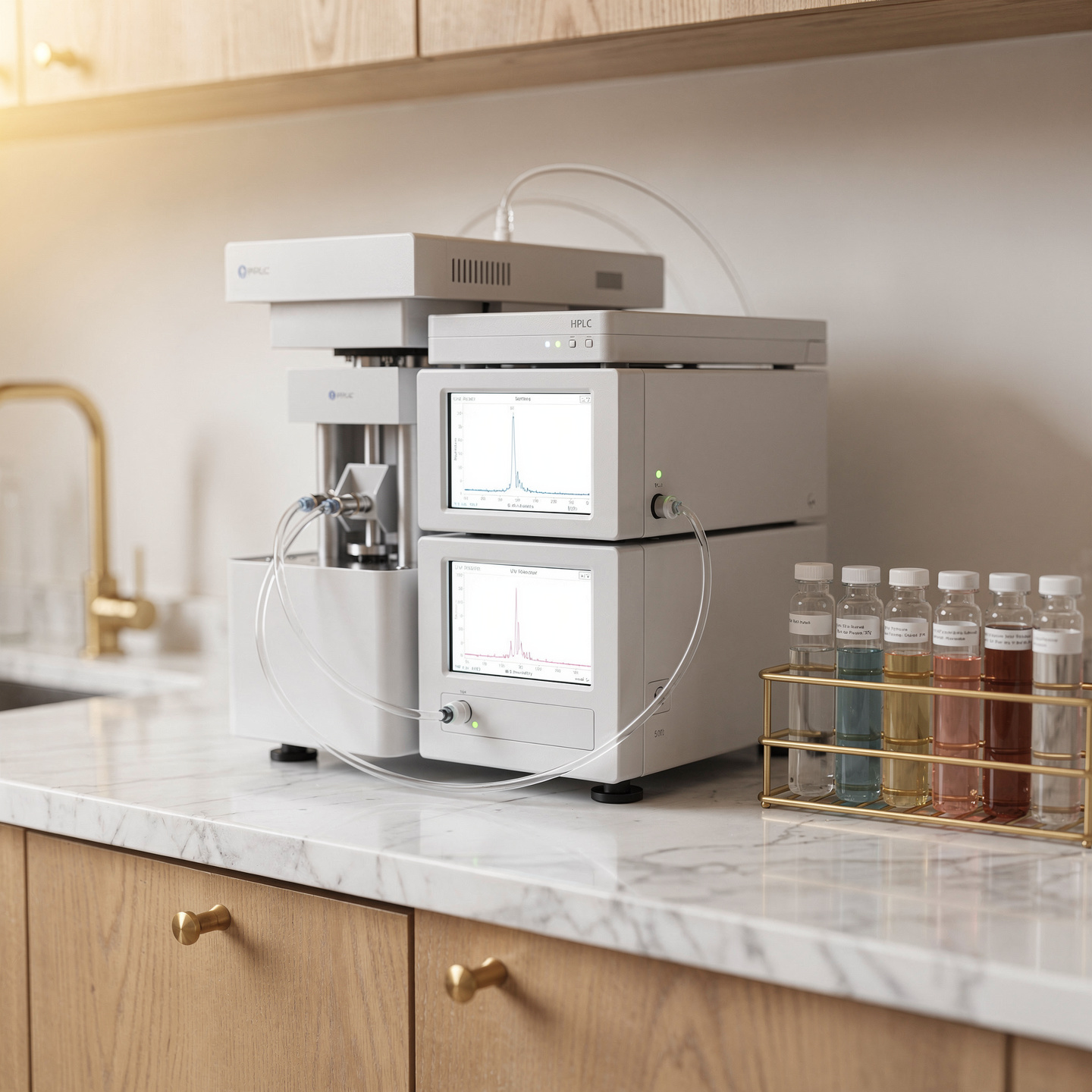
HPLC and Mass Spectrometry: How Peptide Purity Is Verified
-
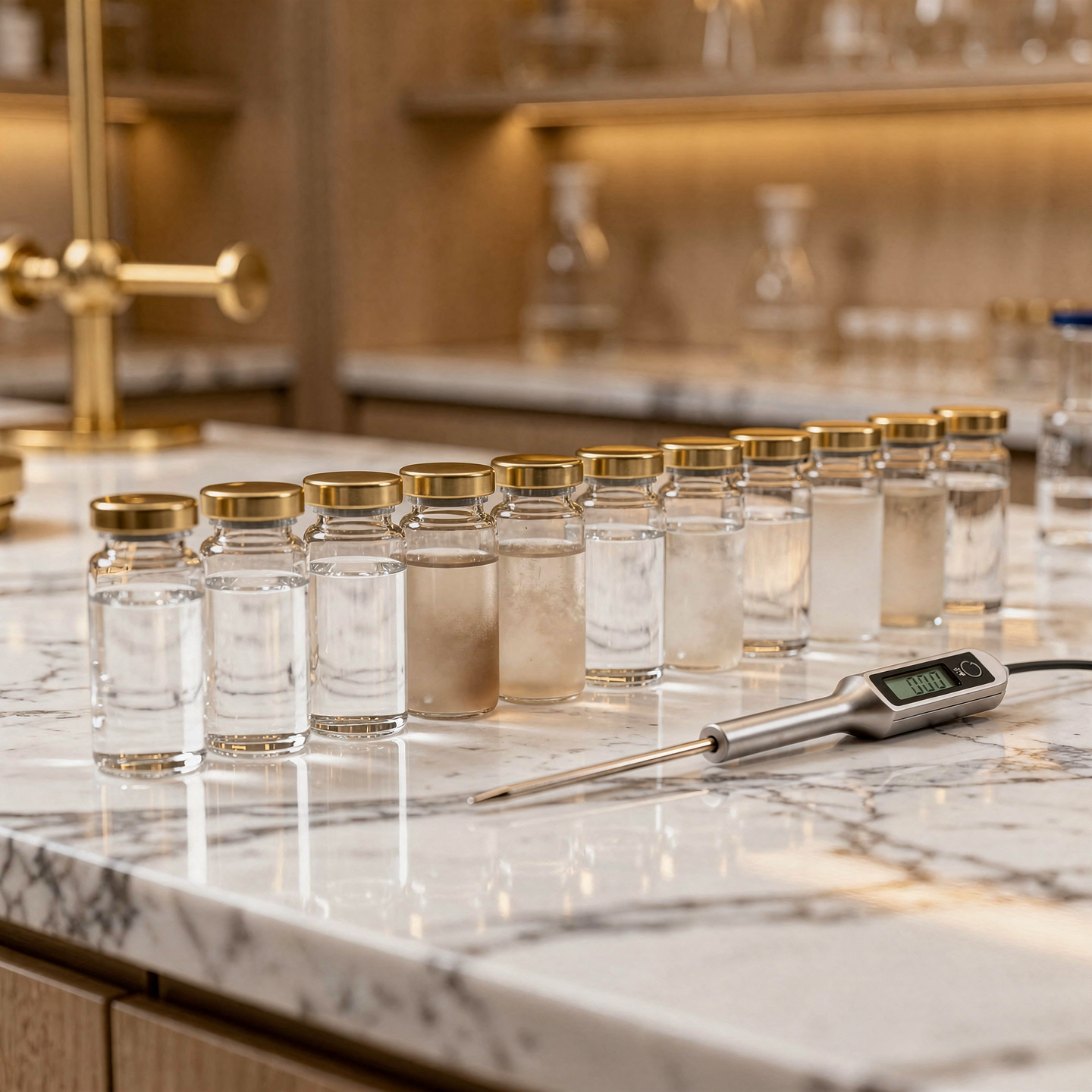
Common Peptide Degradation Pathways and How to Prevent Them
Peptides face chemical degradation through deamidation, oxidation, hydrolysis, disulfide scrambling, and racemization. Learn the science behind each pathway and proven strategies to preserve peptide purity and stability in research settings.
More -

Understanding Peptide Molecular Weight and Molar Calculations in Research
Molecular weight and molar concentration calculations form the backbone of reliable peptide research. This guide explains how researchers determine peptide MW, convert between mass and molarity, and account for net peptide content to ensure accurate experimental outcomes.
More -

Freeze-Thaw Cycles and Peptide Integrity: What the Data Shows
Research shows each freeze-thaw cycle can reduce peptide bioactivity by 5-15%. This article examines the molecular mechanisms behind freeze-thaw damage, from ice crystal formation to pH-driven aggregation, and the evidence-based strategies that protect peptide integrity in the laboratory.
More -

Peptide Solubility Guide: Matching Solvents to Sequences
A practical guide to selecting the right solvent for peptide reconstitution based on amino acid sequence composition. Covers acidic, basic, hydrophobic, and cysteine-containing peptides with solvent recommendations backed by published research.
More -
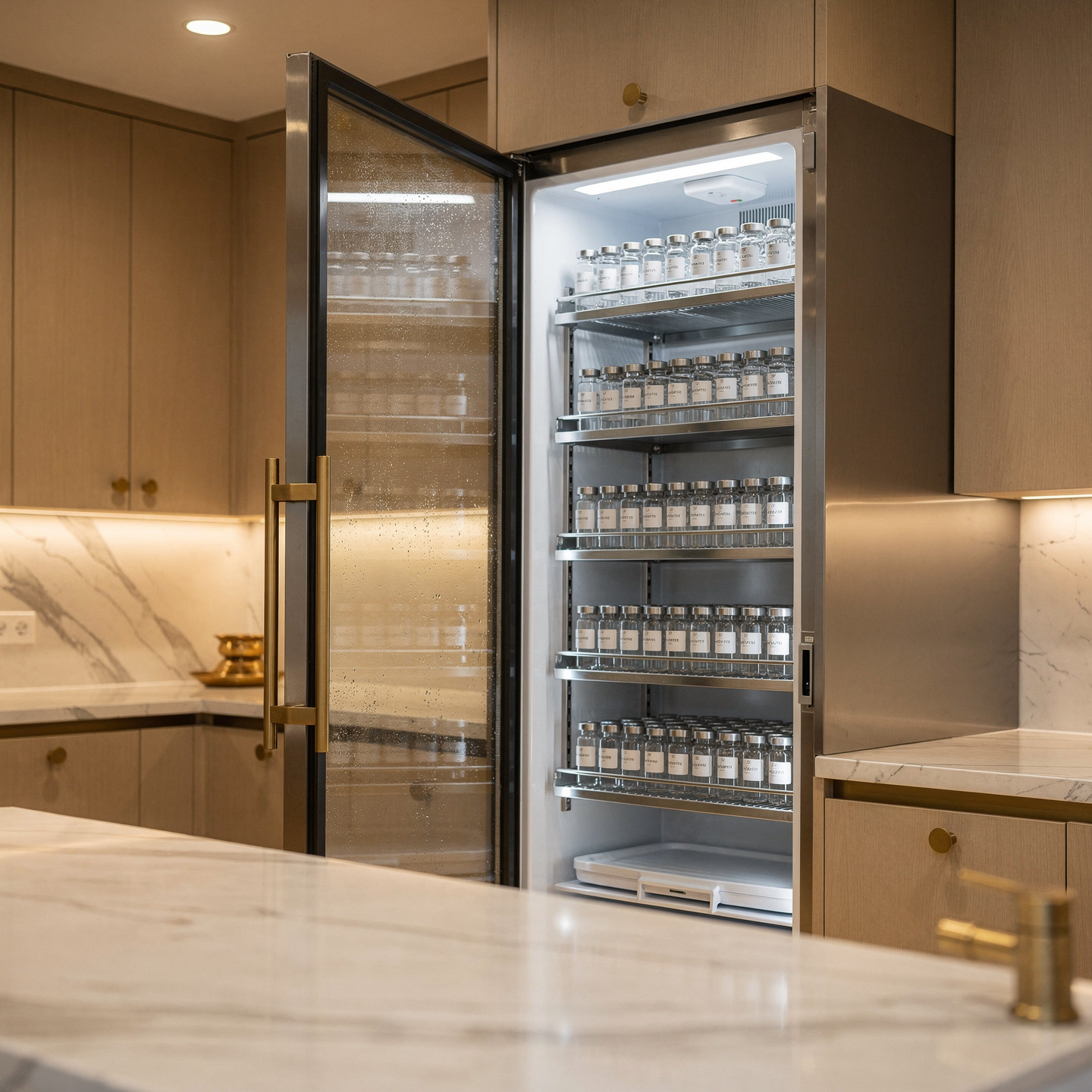
How to Store Research Peptides: Temperature, Light, and Humidity
Learn the science behind proper research peptide storage. This guide covers optimal freezer temperatures, light protection, humidity control, reconstitution best practices, and aliquoting strategies backed by peer-reviewed evidence.
More -

The Melanocortin System: An Introduction for Peptide Researchers
The melanocortin system spans five receptor subtypes, multiple POMC-derived peptide ligands, and two endogenous antagonists. This introduction covers MC1R through MC5R, alpha-MSH signaling, and the research landscape for melanocortin peptides.
More -

Angiogenesis in Research: Why Peptide Scientists Study Blood Vessel Formation
Angiogenesis research examines how peptides like BPC-157, TB-500, and GHK-Cu influence blood vessel formation through VEGF receptor signaling and related pathways. This guide covers the molecular mechanisms, experimental models, and latest discoveries in angiogenic peptide science.
More -

What Is the GH/IGF-1 Axis? A Research Framework
The GH/IGF-1 axis is a multi-organ endocrine system coordinating growth, metabolism, and cellular repair through hypothalamic hormones, pituitary GH, and liver-derived IGF-1. This research framework covers its three-tier architecture, feedback loops, and relevance to peptide research.
More