
Ever wondered if your peptide therapy could clash with your daily medications? You’re not alone. As peptide treatments become more popular for everything from weight loss to muscle recovery, understanding how they interact with other drugs has become crucial. Let’s break down what the latest research tells us about peptide drug interactions. What Are Peptide …
More-

Do Peptides Have Drug Interactions?
-

Is PT-141 FDA Approved? Current Status
If you’ve been searching for information about PT-141, you’re probably asking one key question: Is PT-141 FDA approved? The short answer is yes, but with important caveats. In 2019, the FDA approved PT-141 under the brand name Vyleesi for a specific medical condition in women. However, the story doesn’t end there. Let’s dive into what …
More -

What Does ‘For Research Purposes Only’ Mean?
What does “for research purposes only” mean? This phrase appears on many peptide products, chemicals, and scientific materials. It’s not just a legal disclaimer – it has specific meaning with important implications. Let’s explore what this designation means and why it matters. Important: All research chemicals and peptides discussed in this article are strictly for …
More -

Can I Take Collagen Peptides While Pregnant?
Can I take collagen peptides while pregnant? Many expectant mothers ask this question. The good news is that collagen peptides are generally considered safe during pregnancy when sourced from quality products. However, important considerations exist. Let’s explore what you need to know. Important note: This article discusses dietary collagen peptides (food-grade supplements) only. Research-grade peptides …
More -

What is PT-141 Used For?
What is PT-141 used for? PT-141, also known as bremelanotide, is an FDA-approved medication for treating hypoactive sexual desire disorder in premenopausal women. It’s also studied in research contexts for various melanocortin receptor effects. Let’s explore this unique peptide’s mechanisms and applications. Understanding PT-141 (Bremelanotide) PT-141 is a synthetic peptide melanocortin analog. According to pharmacological …
More -
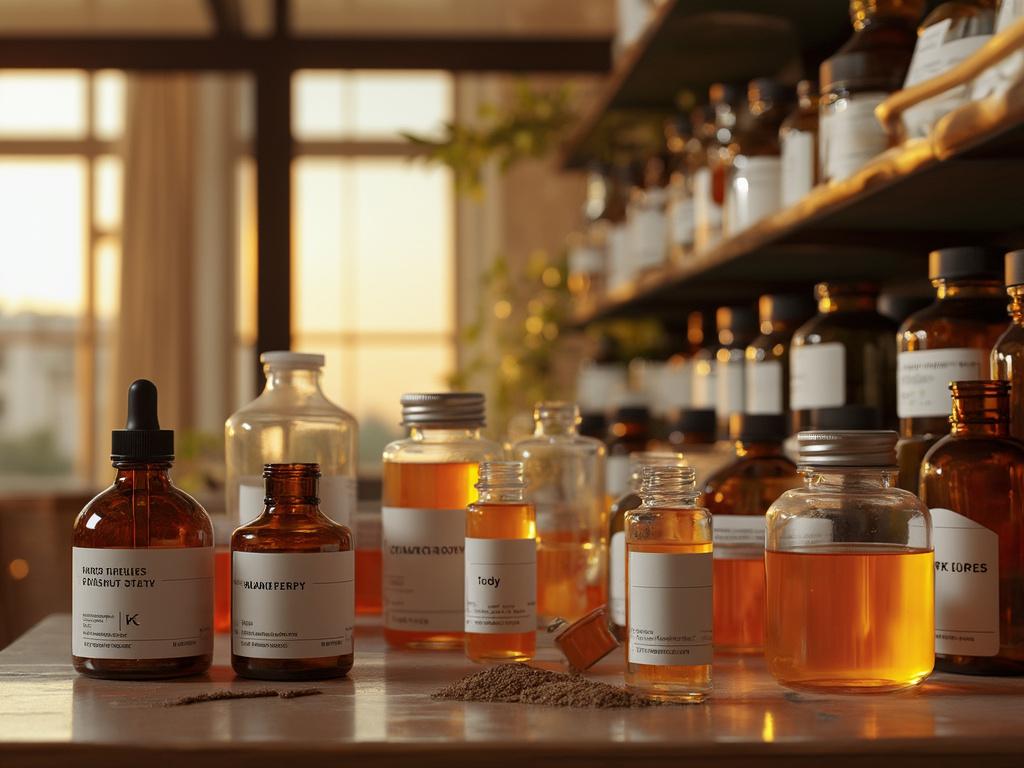
What Peptides Can Pharmacies Still Compound?
What peptides can pharmacies still compound in 2025 and beyond? The answer is complex and constantly evolving. FDA regulations restrict most peptide compounding while allowing specific exceptions. Let’s explore the current rules, recent enforcement actions, and what’s still permitted. Note: All peptides discussed in this article are for research purposes only. Nothing in this article …
More -

Can I Use Peptides While Breastfeeding?
Can I use peptides while breastfeeding? This is a critical question for nursing mothers. The short answer is that most peptides should be avoided during lactation due to limited safety data. Let’s explore why this caution exists and what you need to know. Understanding Drug Transfer to Breast Milk When you take any medication or …
More -

Is DSIP FDA Approved? Current Status
Is DSIP FDA approved? No, DSIP (Delta Sleep-Inducing Peptide) is not FDA-approved for any therapeutic use. Despite decades of research into its sleep-promoting properties, it remains a research peptide only. Let’s explore what this means and why DSIP’s regulatory status matters. DSIP stands for Delta Sleep-Inducing Peptide. Scientists first discovered it in 1974 when researchers …
More -

Can Compounding Pharmacies Legally Make Peptides?
Can compounding pharmacies legally make peptides? The answer depends on specific regulations, peptide types, and pharmacy classifications. The legal landscape has become increasingly complex, especially following major FDA policy updates in 2024 and 2025. Let’s break down what’s allowed and what’s not. Important note: The peptides and compounds discussed in this article are referenced in …
More