
Epithalon, a leading telomere peptide, is making waves in anti-aging research for its impressive ability to support telomere health and rejuvenate cells from within. Discover how epithalon could be key to unlocking a more youthful you.
More-

Epithalon & Telomere Peptide: Stunning Benefits for Anti-Aging
-

Why are Peptides Illegal in the USA?
Are peptides illegal in the USA? The answer is more complicated than yes or no. Peptides occupy a complex regulatory space where legality depends on FDA approval status, intended use, and how they’re marketed. Understanding this legal landscape protects researchers from unintentional violations. Here’s the key distinction: FDA-approved peptides prescribed by licensed physicians are completely …
More -

How to Prevent Infection from Peptide Injections
Preventing infections from peptide injections isn’t complicated, but it requires consistent attention to detail. One contaminated injection can lead to serious complications ranging from local abscesses to life-threatening sepsis. Here’s exactly how to protect yourself through proper sterile technique. Important: All peptides referenced in this article are intended strictly for in vitro research and laboratory …
More -

gh-secretagogue Stack Benefits: Can Synergy Boost Lean-Mass Recovery?
Curious about how a gh-secretagogue stack might unlock next-level synergy for your recovery and lean-mass goals? Discover how dialing in the right combo and timing could rev up your gh-pulse and possibly kickstart real progress—no wishful thinking required!
More -

CJC-1295 with DAC or Without DAC?
Choosing between CJC-1295 with DAC or without DAC? This decision significantly impacts your research protocol. While they share the same base structure, the addition of Drug Affinity Complex (DAC) creates fundamentally different pharmacokinetics and dosing requirements. Important: All compounds discussed in this article are intended strictly for research purposes only and are not for human …
More -
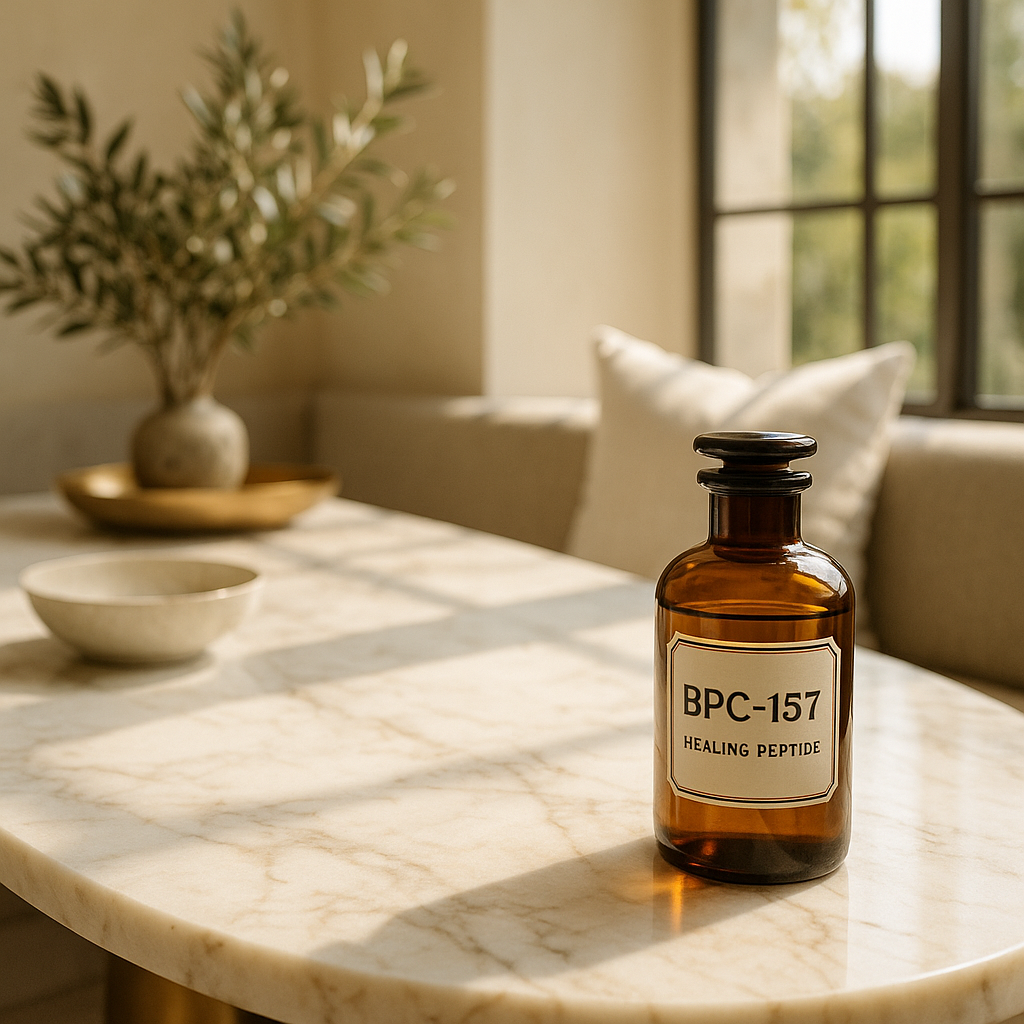
BPC-157 Research: Tissue Healing Studies & Benefits
Curious about cutting-edge breakthroughs in regenerative science? Discover why BPC‑157, the healing peptide, is sparking excitement among researchers with its impressive benefits and essential dosing insights.
More -

Melanotan 2 Side Effects: Research Safety Guide (2025)
Melanotan 2 side effects have become a significant focus of scientific investigation in recent years. This synthetic peptide, originally developed as a potential skin cancer preventive agent, has generated considerable interest in the research community. However, understanding the safety profile of this compound is essential for any laboratory setting. This comprehensive guide examines the research …
More -

Can Contaminated Peptides Cause Infections?
Can contaminated peptides cause infections? Absolutely. In fact, contaminated peptides pose serious health risks ranging from mild reactions to life-threatening infections. Understanding contamination sources and how to prevent them is essential for safe research protocols. Here’s what you need to know. Peptides can become contaminated with bacteria, fungi, endotoxins, or particulates at multiple points: during …
More -

How Long for CJC-1295/Ipamorelin to Work?
Starting CJC-1295 and Ipamorelin research protocols? You’re probably wondering when you’ll see results. The truth is, this combination works on a timeline, not overnight. Understanding what to expect each week helps you track progress and stay consistent. Here’s what research shows. Most people notice initial changes within 2-4 weeks. However, the most significant transformations take …
More