
Selank and Semax, synthetic heptapeptides derived from tuftsin and ACTH(4-10) respectively, modulate BDNF expression through distinct yet overlapping neurotrophic signaling cascades. This review compares their preclinical pharmacology, gene expression profiles, and receptor interactions in rodent models.
More-
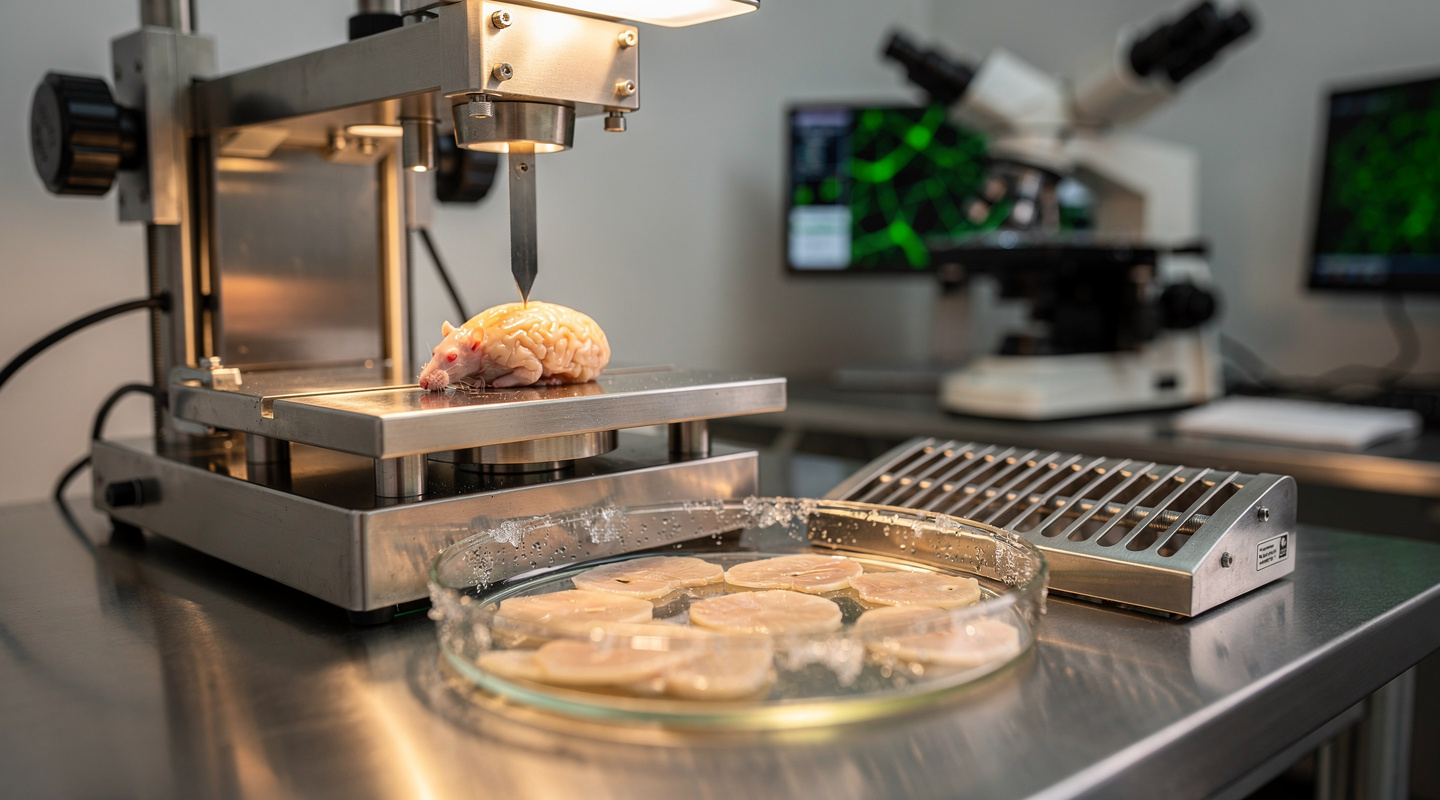
Selank and Semax: Tuftsin-Derived Peptides and BDNF Expression in Rodent Studies
-
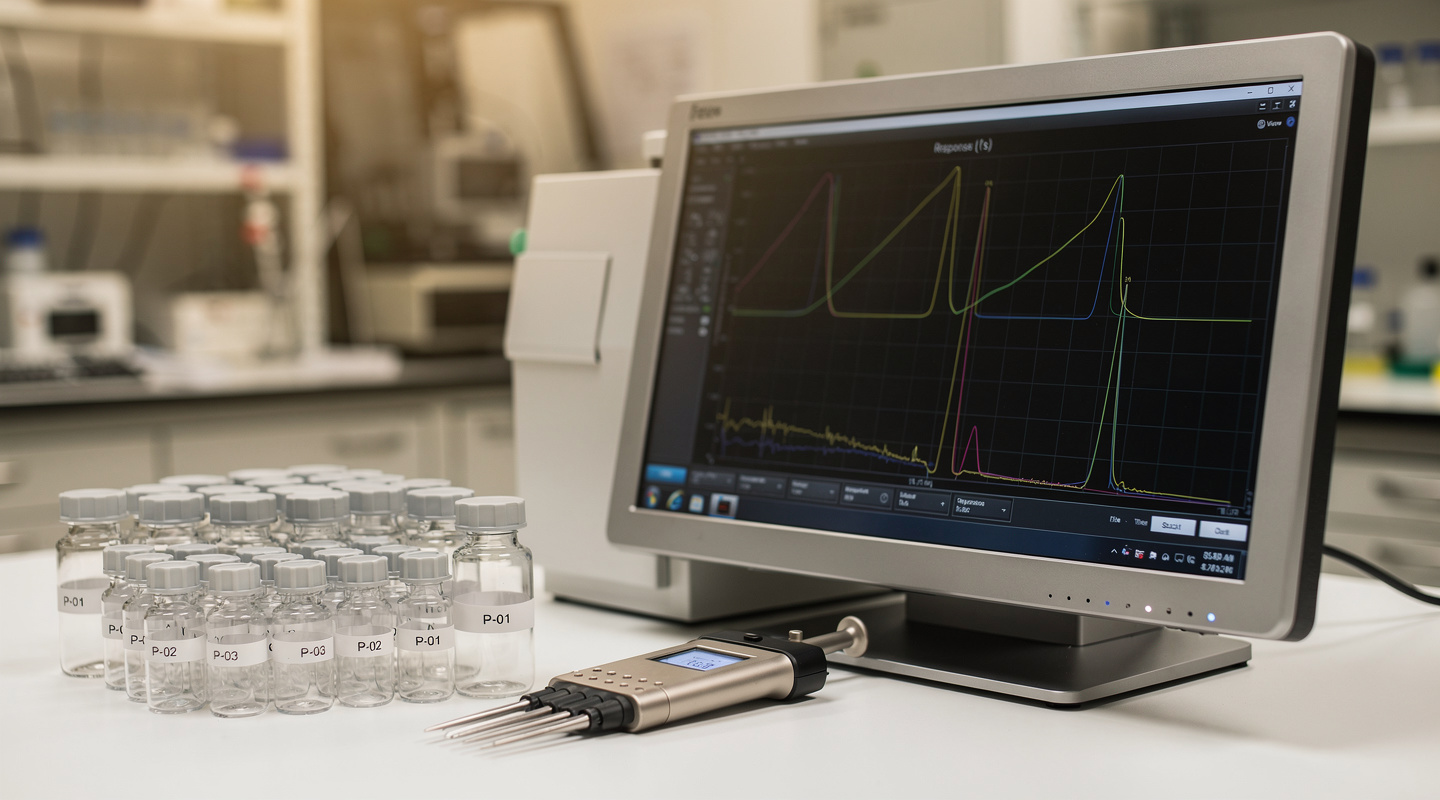
Comparative Receptor Binding Affinities of GLP-1 Agonists: GLP1-S, GLP2-T, and GLP3-R
A comparative review of receptor binding kinetics, cryo-EM structural data, and signaling bias profiles for GLP1-S, GLP2-T, and GLP3-R across GLP-1, GIP, and glucagon receptors. This analysis covers radioligand displacement assays, cAMP accumulation experiments, and molecular design principles governing incretin receptor pharmacology. For research purposes only.
More -
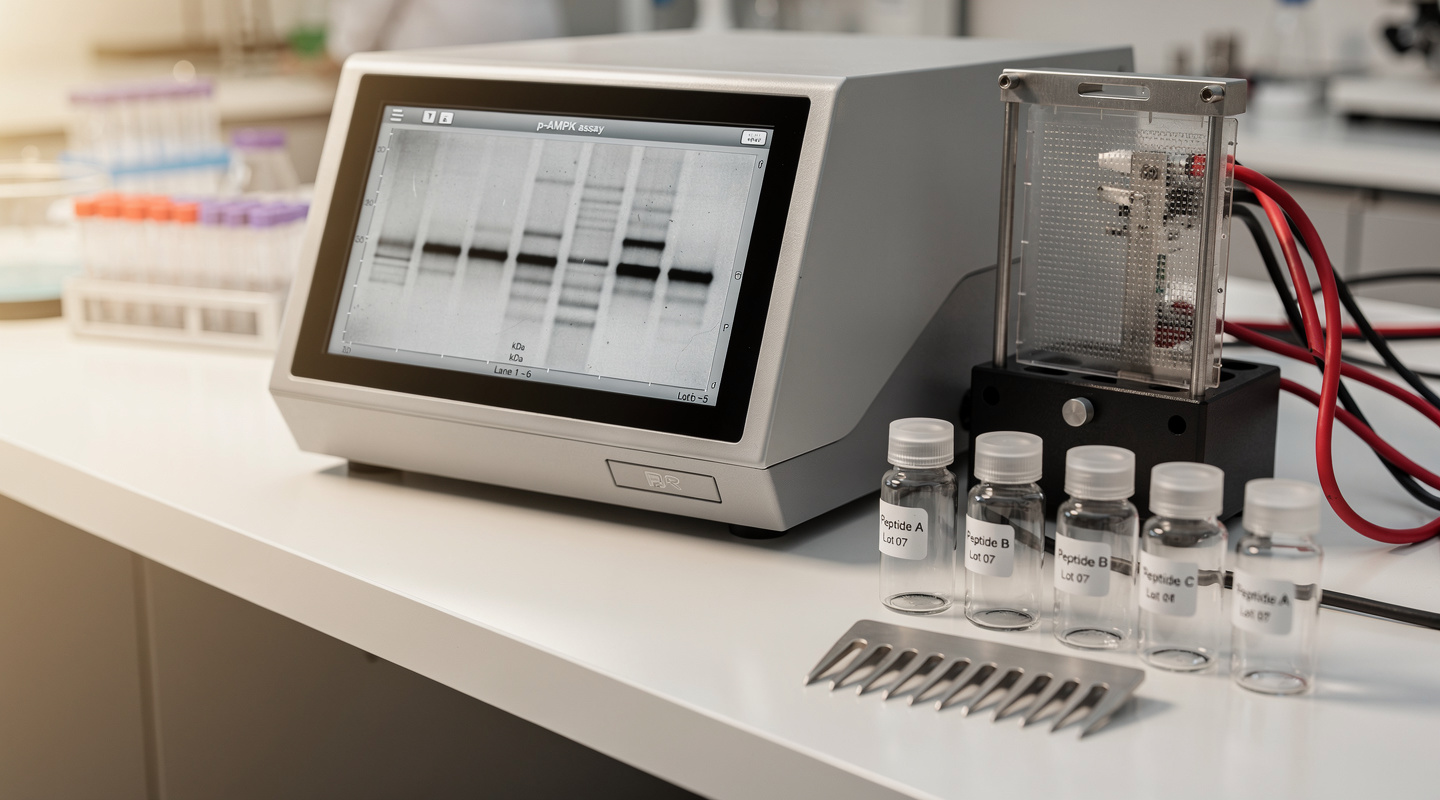
MOTS-c as a Mitochondrial-Derived Peptide: AMPK Signaling Pathways in Murine Models
A review of MOTS-c, the mitochondrial open reading frame of the 12S rRNA type-c peptide, examining AMPK-dependent signaling cascades, nuclear translocation mechanisms, folate-methionine cycle disruption, and metabolic phenotyping data from murine experimental models. For research purposes only.
More -

SS-31 and Cardiolipin Interactions: Mitochondrial Membrane Dynamics in Isolated Organelles
A mechanistic review of SS-31 (elamipretide) interactions with cardiolipin in isolated mitochondrial preparations. This analysis covers inner mitochondrial membrane biophysics, respiratory supercomplex stabilization, cristae remodeling, and downstream effects on oxidative phosphorylation efficiency. For research purposes only.
More -
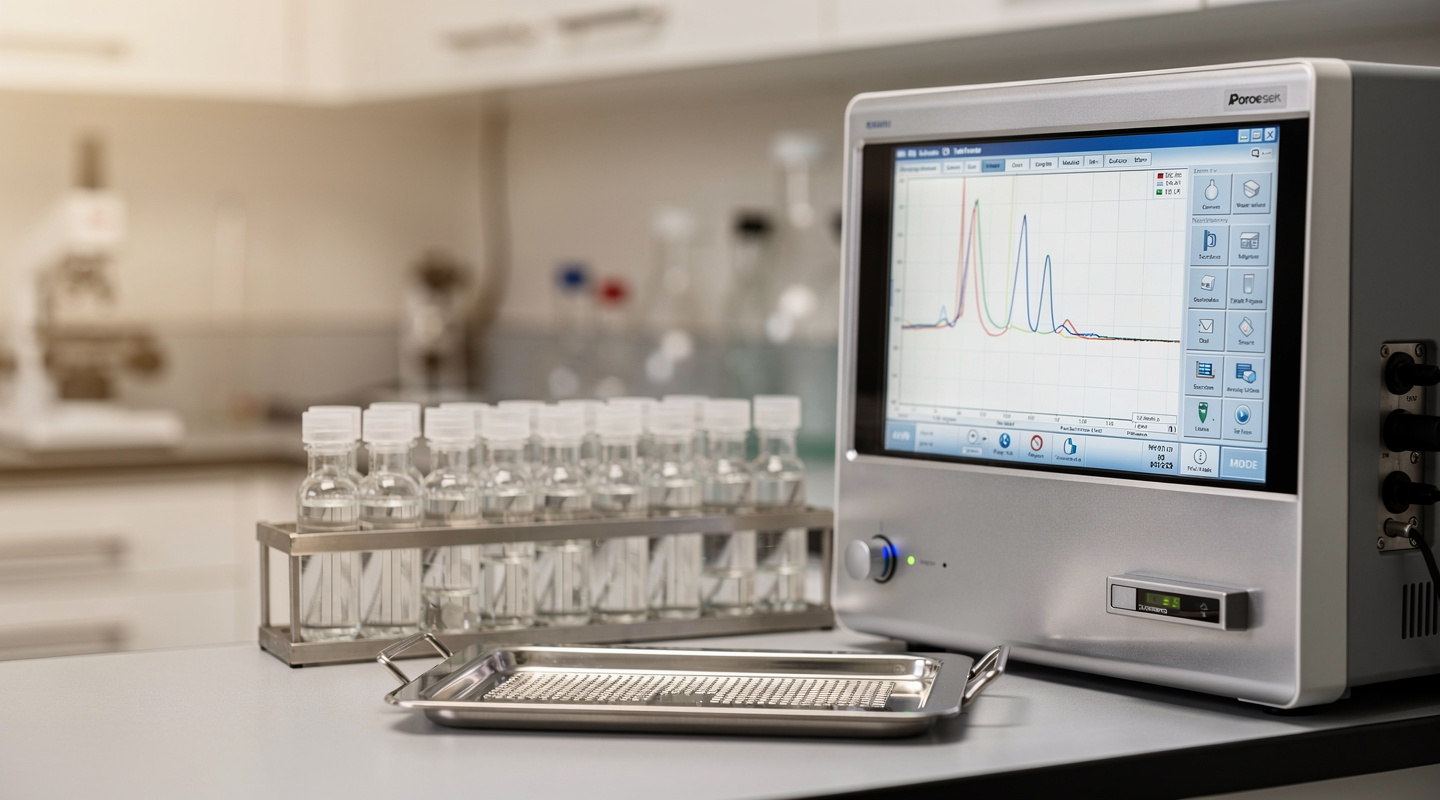
AOD9604 and Lipolysis: Structure-Activity Relationships in the C-Terminal Fragment of Growth Hormone
An examination of structure-activity relationships governing AOD9604, the modified C-terminal fragment of human growth hormone (hGH 177-191). This review covers dual enzymatic targets, beta-3 adrenergic receptor pharmacology, disulfide bridge contributions, and lipolytic outcomes in preclinical adipocyte models. For research purposes only.
More -

TB-500 and Actin Polymerization: Structural Biology and Thymosin Beta-4 Binding Kinetics
A structural biology review of the thymosin beta-4 (TB-500) interaction with monomeric G-actin. Covers WH2 domain architecture, binding kinetics, actin sequestration mechanisms, and the competitive exchange with profilin that governs filament polymerization dynamics.
More -

Cagrilintide and Amylin Receptor Pharmacology: Dual Agonism, RAMP Interactions, and Receptor Trafficking
An analysis of cagrilintide (AM833) receptor pharmacology at the amylin receptor system. Covers amylin receptor subtype selectivity, RAMP protein interactions, receptor trafficking dynamics, and the structural basis of dual agonism at calcitonin-family receptors.
More -
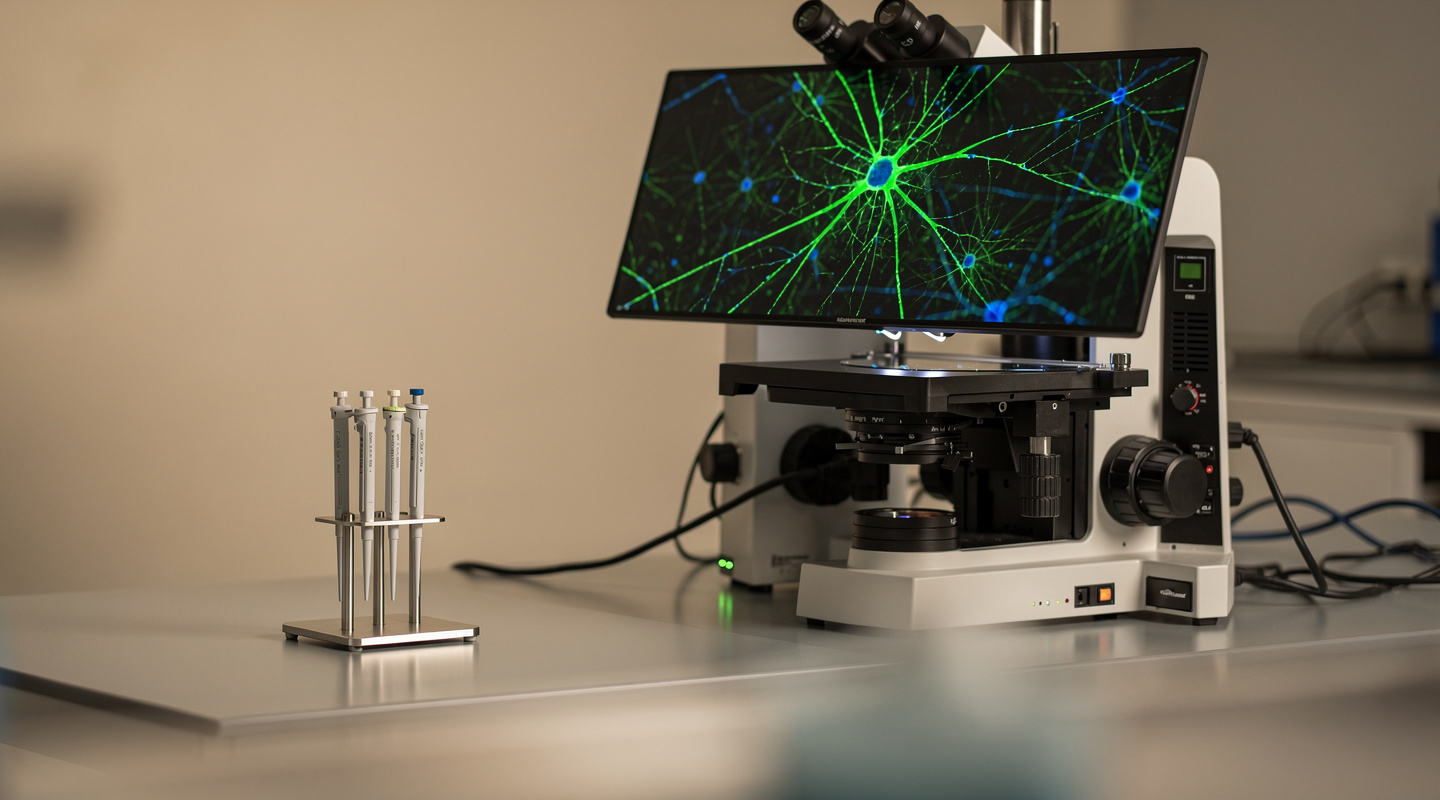
Oxytocin Receptor Signaling: G-Protein Coupling and Downstream Effector Pathways
A review of oxytocin receptor (OXTR) signaling mechanisms covering G-protein coupling selectivity, downstream second messenger generation, beta-arrestin recruitment, receptor desensitization kinetics, and the emerging concept of biased agonism at this class A GPCR.
More -
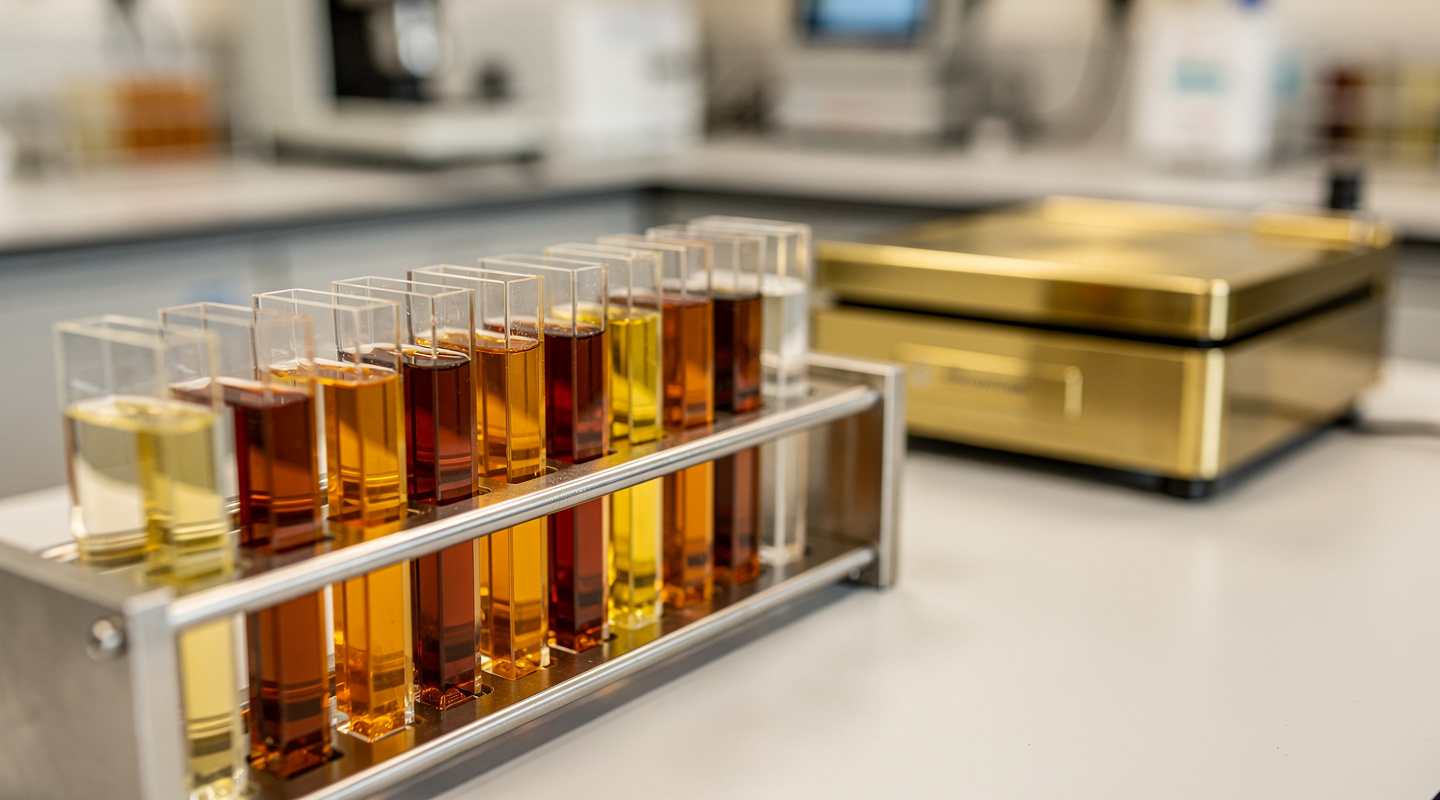
Melanocortin Receptor Subtypes: Selectivity Profiles of Melanotan I, Melanotan II, and PT-141
An examination of the selectivity profiles of Melanotan I, Melanotan II, and PT-141 across the five melanocortin receptor subtypes (MC1R-MC5R). Covers structural determinants of subtype selectivity, binding affinity data, and functional outcomes relevant to melanocortin signaling research.
More