
Curious if stacking gh-secretagogue peptides really ramps up recovery and lean-mass gains? Discover how the right synergy can turn your next gh-pulse into a true muscle-building advantage!
More-

gh-secretagogue Stack: Does Synergy Boost Lean Mass Recovery?
-
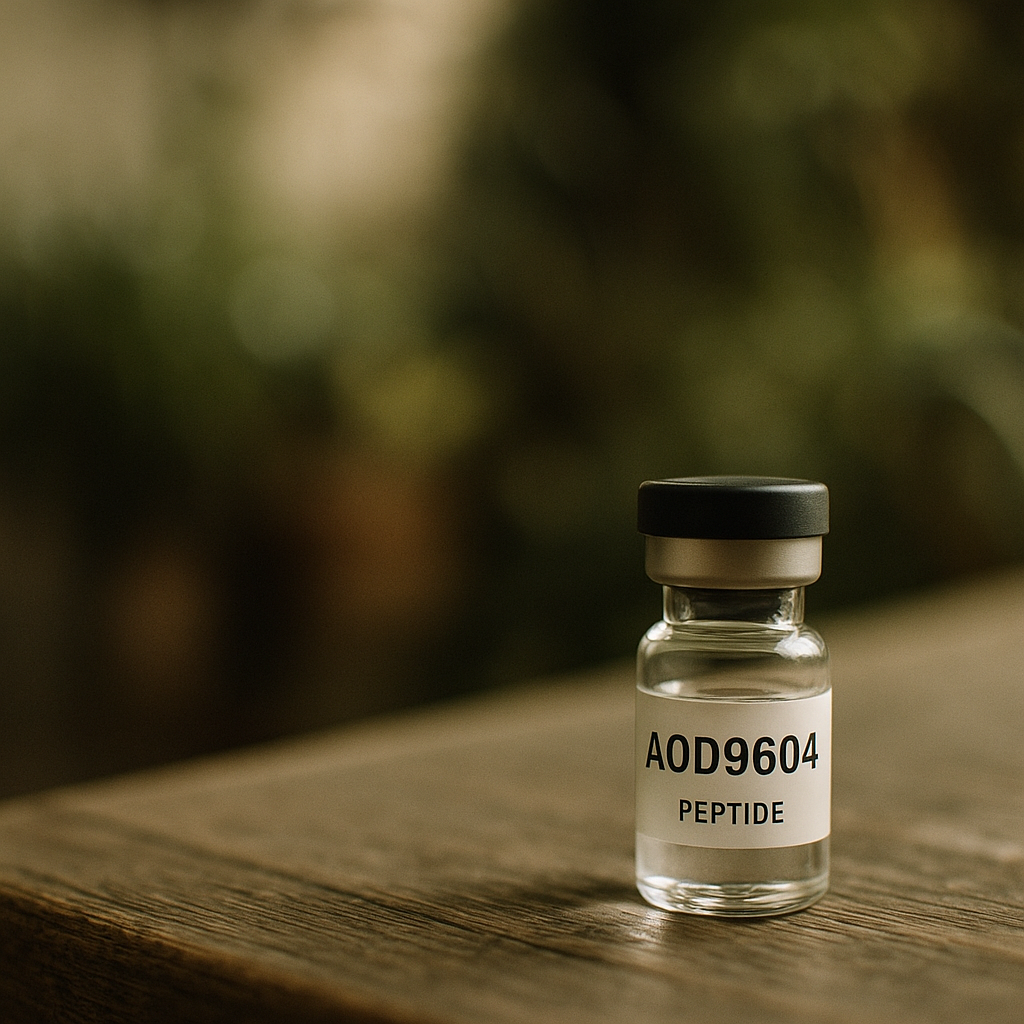
AOD9604 Peptide: Can Fat-Loss Be Achieved Without Non-Anabolic Risks?
Curious if fat-loss is possible without the typical non-anabolic risks? Enter the AOD9604 peptide—a hGH-fragment therapy that’s capturing attention for boosting lipolysis and metabolism, all while keeping weight-management safe and focused on your goals.
More -

CJC-1295 DAC vs Mod GRF: What’s Different?
Growth hormone-releasing peptides have become a significant area of research interest, particularly for those studying body composition, recovery, and metabolic function. Two peptides that frequently appear in research discussions are CJC-1295 DAC and Modified GRF 1-29 (often called Mod GRF or CJC-1295 without DAC). Despite similar names, these compounds have fundamentally different pharmacological profiles that …
More -

NAD+ Side Effects: What to Expect
NAD+ (nicotinamide adenine dinucleotide) supplementation has gained significant attention in the longevity and wellness communities. While this coenzyme plays essential roles in cellular energy production and DNA repair, understanding its side effect profile is crucial for anyone considering supplementation. This guide examines what current research reveals about NAD+ safety and tolerability. Medical Disclaimer: This content …
More -

What is Semax Used For Cognitively?
Semax is a synthetic heptapeptide developed in Russia that has garnered significant attention in nootropic and cognitive enhancement research. Originally derived from adrenocorticotropic hormone (ACTH), Semax has been studied extensively for its neuroprotective and cognitive-enhancing properties, particularly in Eastern European scientific literature. Research Disclaimer: The peptides discussed in this article are available for research purposes …
More -

Modified GRF 1-29 vs CJC-1295: Differences
Modified GRF 1-29 and CJC-1295 are two growth hormone-releasing peptides that are frequently confused in research communities. While they share structural similarities and both stimulate growth hormone secretion, understanding their distinct pharmacological profiles is essential for researchers working with these compounds. This article clarifies the molecular differences, half-life variations, and practical implications of choosing between …
More -

Should I Take BPC-157 Orally or by Injection?
BPC-157, a synthetic peptide derived from body protection compound found in gastric juices, has gained attention in research settings for its potential regenerative properties. One of the most common questions researchers encounter is whether oral or injectable administration is more appropriate for their studies. The answer depends on bioavailability, targeted tissue response, and specific research …
More -

Can TB-500 Help with Shoulder Injuries?
Shoulder injuries represent one of the most common musculoskeletal complaints in both athletic and general populations, with rotator cuff injuries alone affecting millions of people annually. As conventional treatment options often involve lengthy rehabilitation periods or invasive surgical interventions, researchers have increasingly explored regenerative peptide therapies as potential adjunctive treatments. Among these, TB-500 (Thymosin Beta-4) …
More -

Sermorelin vs Ipamorelin: What’s Different?
Sermorelin and Ipamorelin represent two distinct approaches to growth hormone research, each with unique mechanisms and applications. While both peptides influence the growth hormone pathway, they operate through different receptors and produce varying physiological responses. Understanding these differences is essential for researchers evaluating peptide protocols. Medical Disclaimer: This content is for educational and informational purposes …
More