
Semax is a synthetic heptapeptide (Met-Glu-His-Phe-Pro-Gly-Pro) developed in Russia that has garnered significant attention in nootropic and cognitive enhancement research. Originally derived from a fragment of adrenocorticotropic hormone (ACTH 4-10), Semax has been studied extensively for its neuroprotective and cognitive-enhancing properties, particularly in Eastern European scientific literature. It is clinically used in Russia to treat …
More-

What is Semax Used For Cognitively?
-

Modified GRF 1-29 vs CJC-1295: Differences
Modified GRF 1-29 and CJC-1295 are two growth hormone-releasing peptides that are frequently confused in research communities. While they share structural similarities and both stimulate growth hormone secretion, understanding their distinct pharmacological profiles is essential for researchers working with these compounds. This article clarifies the molecular differences, half-life variations, and practical implications of choosing between …
More -

Should I Take BPC-157 Orally or by Injection?
BPC-157, a synthetic peptide derived from body protection compound found in gastric juices, has gained attention in research settings for its potential regenerative properties. One of the most common questions researchers encounter is whether oral or injectable administration is more appropriate for their studies. The answer depends on bioavailability, targeted tissue response, and specific research …
More -

Can TB-500 Help with Shoulder Injuries?
Shoulder injuries represent one of the most common musculoskeletal complaints in both athletic and general populations, with rotator cuff injuries alone affecting millions of people annually. As conventional treatment options often involve lengthy rehabilitation periods or invasive surgical interventions, researchers have increasingly explored regenerative peptide therapies as potential adjunctive treatments. Among these, TB-500 (Thymosin Beta-4) …
More -

Sermorelin vs Ipamorelin: What’s Different?
Sermorelin and Ipamorelin represent two distinct approaches to growth hormone research, each with unique mechanisms and applications. While both peptides influence the growth hormone pathway, they operate through different receptors and produce varying physiological responses. Understanding these differences is essential for researchers evaluating peptide protocols. Medical Disclaimer: This content is for educational and informational purposes …
More -

What is BPC-157 Peptide?
BPC-157 is a synthetic peptide derived from a protective protein found naturally in human gastric juice. Originally studied for its potential role in gastrointestinal healing, BPC-157 has attracted significant research interest for its effects on tissue repair, angiogenesis, and recovery processes. This peptide consists of 15 amino acids and has been the subject of numerous …
More -
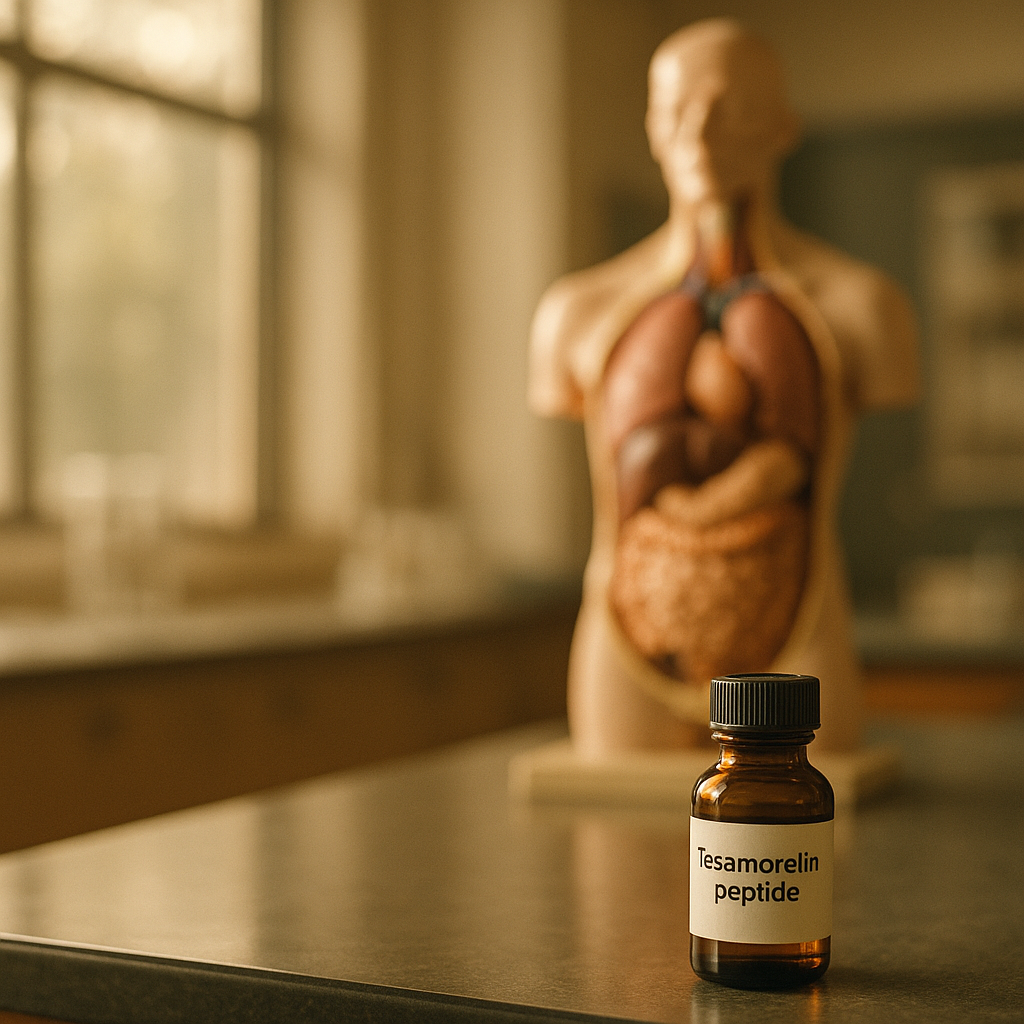
Tesamorelin peptide: How does Tesamorelin peptide reduce fat?
The Tesamorelin peptide works *with* your body to target stubborn fat by encouraging it to release its own natural growth hormone. Discover how this unique process can lead to powerful changes in body composition.
More