
Discover how MOTS‑c, a powerful metabolic peptide, is revolutionizing the way we approach effortless health—boosting metabolism, enhancing cellular resilience, and paving the way for healthier aging. Explore the science and practical benefits behind MOTS‑c to see why it’s gaining attention in the world of health research.
More-

MOTS‑c Metabolic Peptide: Must-Have Solution for Effortless Health
-
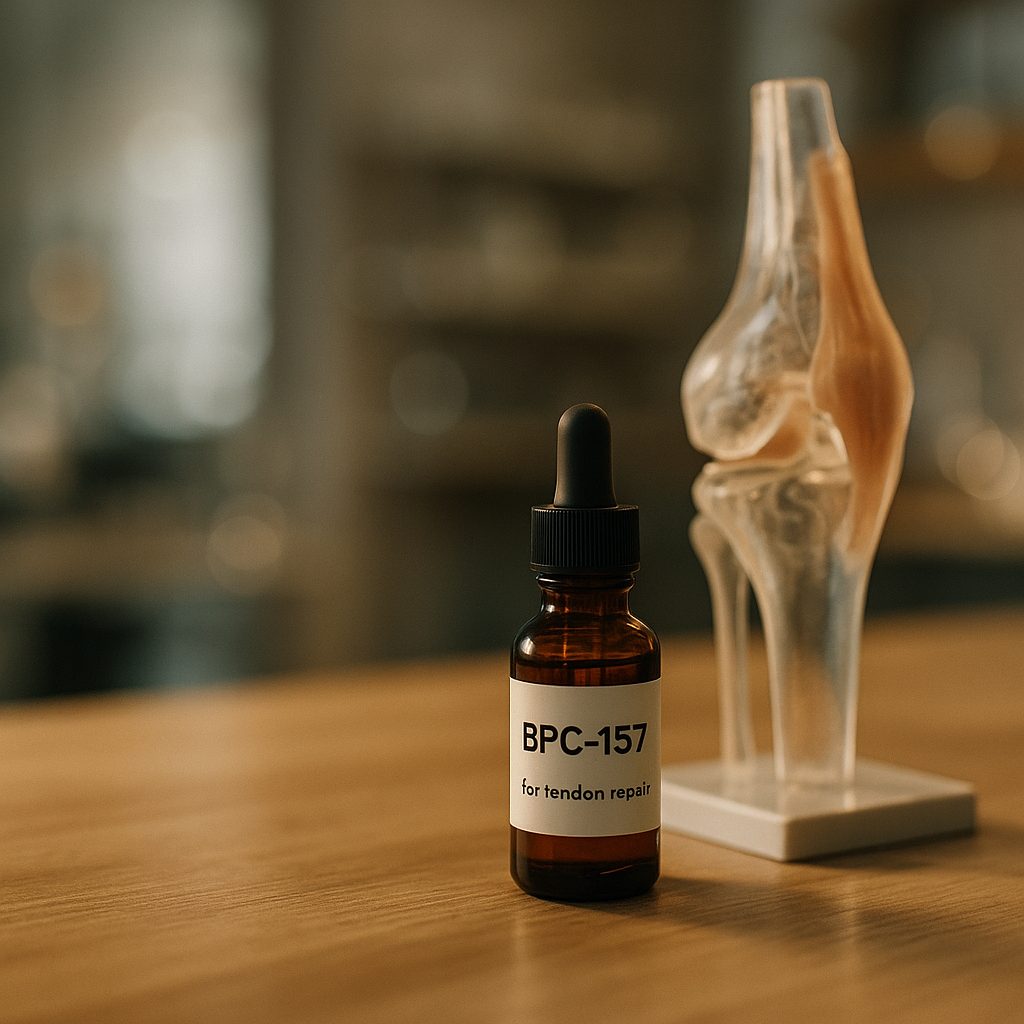
BPC-157 Peptide for Tendon Repair: Does Angiogenesis Accelerate Healing?
If you’ve ever wished for super-powered tendon-repair after an injury, BPC-157 peptide might just be the secret sauce—its unique ability to promote angiogenesis means more blood flow, faster healing, and less inflammation, whether you’re a weekend warrior or nursing your gut back to health. But is this peptide’s magic all hype, or can science back up its rapid recovery claims? Let’s untangle what angiogenesis truly means for your healing journey.
More -

Can BPC-157 Help with Tendonitis & Elbow Pain?
Tendon injuries like elbow tendonitis plague athletes, manual laborers, and desk workers alike. Recovery can take months, and conventional treatments often fall short. This has prompted researchers to investigate regenerative peptides—specifically BPC-157, a synthetic pentadecapeptide derived from human gastric juice proteins. BPC-157 (Body Protection Compound-157) has gained attention in sports medicine and orthopedic research for …
More -

BPC-157 vs TB-500: What’s the Difference?
When researchers compare recovery peptides, BPC-157 and TB-500 consistently emerge as two of the most studied compounds. Both peptides have generated substantial scientific interest for their potential roles in tissue repair, but they operate through distinctly different biological mechanisms. Understanding these differences helps researchers select appropriate compounds for specific study protocols. BPC-157 (Body Protection Compound-157) …
More -

TB-500 vs Thymosin Beta-4: What’s Different?
TB-500 and Thymosin Beta-4 are two peptides frequently discussed in research circles, and understanding their relationship is essential for anyone exploring peptide science. While their names are sometimes used interchangeably, there are important distinctions that researchers should know. Research Disclaimer: This content is for educational and research purposes only. The peptides discussed are intended strictly …
More -

Will BPC-157 Help Rotator Cuff Injuries?
Rotator cuff injuries affect millions of people annually, ranging from athletes to weekend warriors to office workers. These shoulder injuries can be particularly challenging to heal due to the poor vascularization of tendon tissue. Recently, researchers have turned their attention to BPC-157, a synthetic peptide derived from a protective protein found in gastric juice, as …
More -

What is BPC-157 & What Does it Do?
BPC-157, derived from a protective protein found in human gastric juice, has emerged as one of the most researched synthetic peptides in regenerative medicine. This 15-amino acid sequence demonstrates remarkable tissue repair properties across multiple organ systems, attracting attention from researchers investigating wound healing, musculoskeletal recovery, and gastrointestinal protection. Research Disclaimer: This content is for …
More