Recovery is at the forefront for anyone serious about healing from injury, optimizing soft-tissue health, and boosting overall performance. In the search for effective recovery solutions, BPC 157 and TB-500 peptides have emerged as two of the most promising research peptides for accelerating healing, reducing inflammation, and supporting soft-tissue repair. With increasing attention from peer-reviewed systematic reviews and growing laboratory evidence, these peptides are capturing interest as genuine research subjects in modern recovery science.
Updated on March 4, 2026 — references verified, newer research added.
BPC 157 & TB-500: The Science Behind Recovery and Healing
BPC 157, also known as Body Protection Compound-157, is a synthetic peptide derived from a natural digestive protein. It is recognized for its potential to enhance soft-tissue repair, accelerate wound healing, and provide potent anti-inflammatory effects. Laboratory research suggests BPC 157 supports angiogenesis (formation of new blood vessels) through activation of the VEGFR2 receptor and the Akt-eNOS nitric oxide synthesis axis—mechanisms now well-characterized in a 2025 systematic review of 36 studies spanning 1993–2024【1】. ERK1/2 signaling pathways are also implicated in the peptide’s fibroblast-stimulating effects. BPC 157 has a short half-life (under 30 minutes), is hepatically metabolized, and renally cleared, with no adverse effects observed in preclinical safety studies【1】.
TB-500, also called Thymosin Beta-4, operates through G-actin sequestration—binding to monomeric actin to regulate its polymerization—as well as downregulation of NF-κB (a key inflammatory mediator) and activation of PI3K/Akt/eNOS signaling pathways【7】. It promotes progenitor cell recruitment and directed cell migration, and is frequently researched for its ability to reduce recovery times, improve flexibility, and minimize scar tissue formation after trauma. A 2026 JAAOS review confirmed TB-500 promotes actin polymerization, progenitor cell recruitment, and cell migration in orthopaedic models【6】.
Both peptides are widely studied for their soft-tissue healing and recovery potential, particularly in muscle, tendon, and ligament injuries【1】【6】. It is important to note that the overwhelming majority of this evidence comes from preclinical (animal and in vitro) models; human clinical trial data remains very limited, as detailed below.
How BPC 157 & TB-500 Accelerate Recovery
Recovery from Injury: The Regenerative Edge
When soft-tissue injury occurs—whether it’s a strain, tear, or overuse from intense training—efficient recovery is paramount. Research indicates that BPC 157 can stimulate fibroblast proliferation via FAK-paxillin signaling and ERK1/2 pathways, leading to quicker collagen synthesis and enhanced cellular regeneration in muscles and tendons【1】【2】. This not only speeds healing but also helps maintain tissue integrity. A 2025 systematic review (Vasireddi et al.) confirmed improved outcomes across muscle, tendon, ligament, and bone models【1】.
TB-500’s action in sequestering G-actin and upregulating actin polymerization contributes to faster soft-tissue repair and may lower the risk of adhesion formation after injury【3】【7】. Its NF-κB downregulation and PI3K/Akt/eNOS signaling provide anti-inflammatory and pro-angiogenic support, reinforcing a more comfortable and thorough recovery phase.
For more on research-grade BPC-157, explore our BPC-157 peptide selection, available for research-only purposes.
Healing Properties Backed by Science
Preclinical studies across multiple models underscore the roles of both BPC 157 and TB-500 in modulating the body’s healing processes. Evidence supports that BPC 157 can positively influence angiogenesis via the VEGFR2/Akt-eNOS axis, which boosts blood flow and oxygen delivery to injured tissues for improved healing and recovery【4】. TB-500, meanwhile, is studied for its effects on reducing fibrosis and expediting the proliferation of repair cells through Notch, TGFβ/Smad, and Wnt signaling pathways【7】.
By combining BPC 157 and TB-500, researchers hypothesize the two may work synergistically—potentially providing amplified healing effects compared to individual use. This rationale is mechanistically plausible given their complementary actions (angiogenesis promotion by BPC-157 vs. cell migration and actin dynamics by TB-500), and both peptides are covered together in a 2026 orthopaedic review【6】. However, direct peer-reviewed evidence for this specific combination remains limited; synergy should currently be considered a theoretical hypothesis pending controlled research.
Inflammation is a double-edged sword—it helps cushion an injury site but can also delay recovery if left unchecked. BPC 157 demonstrates robust anti-inflammatory actions: animal studies show it can help reduce cytokine and free radical levels, shielding soft tissues from excess stress during healing【5】.
TB-500’s anti-inflammatory role is attributed to its capacity to downregulate NF-κB and modulate immune cell migration, reducing unnecessary swelling and pain【7】. This dual anti-inflammatory effect makes both peptides top candidates in research of recovery breakthroughs for chronic and acute injuries.
Clinical Evidence: What the Human Data Shows
It is important for researchers to understand the current state of human clinical evidence for these peptides. A 2025 systematic review (Vasireddi et al., HSS Journal) analyzed 36 studies on BPC-157 in orthopaedic sports medicine and found that 35 of the 36 were preclinical—only one clinical study was included【1】. A 2025 narrative review (McGuire et al., Current Reviews in Musculoskeletal Medicine) similarly concludes that BPC-157 should be considered investigational until well-designed clinical trials confirm safety and efficacy in humans【8】.
The totality of published human data consists of: (1) one intra-articular case series in which 7 of 12 patients with chronic knee pain reported relief lasting more than 6 months【1】; (2) a separate case series of 17 patients with chronic knee pain where more than 90% reported symptom reduction at 6-month follow-up post intra-articular injection【6】; and (3) a 2025 IRB-approved pilot IV safety study in 2 healthy adults (Lee & Burgess), which found no measurable adverse biomarker effects at doses of 10 mg and 20 mg IV BPC-157, but with sample size too small to draw definitive conclusions【9】. No randomized controlled trials (RCTs) exist for either BPC-157 or TB-500 in humans.
Researchers and clinicians considering these peptides should be aware that sports medicine and orthopaedic professionals are increasingly noting their use in unregulated settings, and that formal safety and efficacy data in humans remain sparse【10】.
Optimal performance depends not only on intense training, but also on how rapidly and fully you recover between sessions. Damaged ligaments, sprained tendons, or sore muscles can sideline even the most disciplined athletes. By facilitating soft-tissue healing, BPC 157 and TB-500 have the potential to minimize downtime, supporting consistent training and peak performance.
Their ability to promote swift tissue regeneration and reduce post-exercise inflammation is of keen interest in both sports medicine and performance optimization research. A 2025 review in Arthroscopy notes that BPC-157 is at the forefront of therapeutic peptides for recovery and tissue repair, while highlighting that orthopaedic clinical literature remains scarce and no FDA approval exists【10】.
Injury recovery can be frustratingly slow with conventional methods. That’s why the research community is eager to understand how peptides like BPC 157 and TB-500 can influence injury rehabilitation outcomes. Preclinical studies report promising effects on ligament tear healing, muscle regeneration, and nerve repair【2】【3】. A 2024 narrative review in the Yale Journal of Biology and Medicine notes that both intra-articular and oral peptide delivery routes show efficacy advantages in soft tissue regeneration, positioning BPC-157 and related peptides as potential surgical alternatives pending further clinical validation【11】.
Comparing BPC 157 & TB-500 to Other Peptides for Healing
Other peptides like GHK-Cu and AOD9604 are also studied for their regenerative potential. However, BPC 157 and TB-500 specifically stand out for their unique mechanisms targeting soft-tissue repair and inflammation directly—complementary pathways that have attracted dedicated systematic review coverage as recently as 2026【6】.
At Oath Research, researchers have found these peptides to be among the most promising for further study in recovery science.
Optimal Use Scenarios: When to Consider BPC 157 & TB-500 Peptides
Given their mechanisms, BPC 157 and TB-500 are of significant interest in the following research scenarios:
– Acute muscle tears and soft-tissue abrasions
– Chronic tendinopathy or repetitive strain injuries
– Recovery adjuncts for post-surgical healing
– Anti-inflammatory protocols for joint and connective tissue support
– Research into enhancing flexibility, pliability, and overall physical performance
Always remember: All products are strictly for research purposes and not for human or animal use.
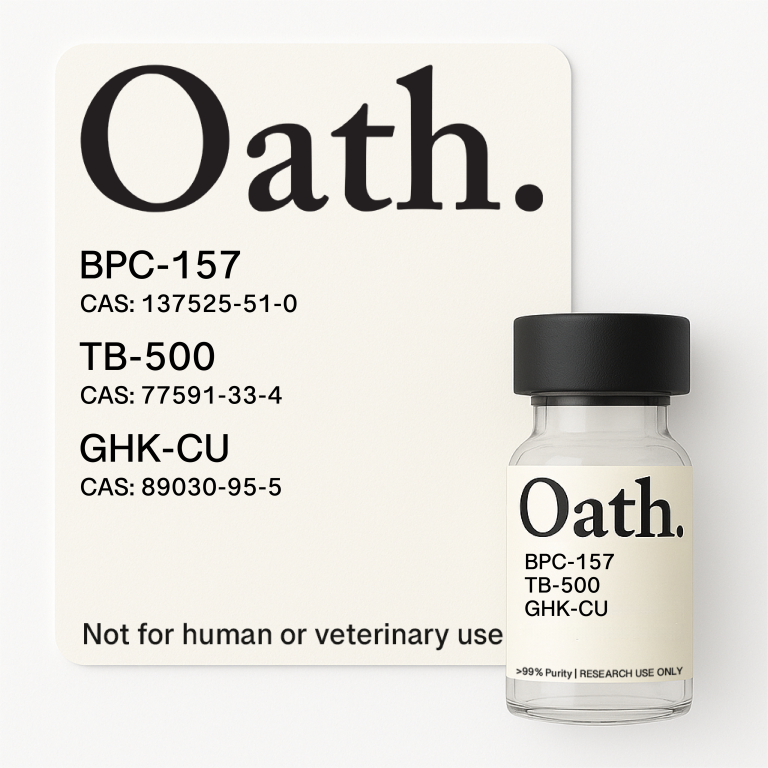
Combining research peptides can amplify their effects. For example, blends like the “GLOW” BPC-157/TB-500/GHK-Cu offer multifaceted approaches, targeting inflammation, collagen synthesis, and cellular repair all at once.
Frequently Asked Questions (FAQ)
Q1: How do BPC 157 and TB-500 differ in their effect on injury recovery?
A1: BPC 157 primarily accelerates soft-tissue healing and supports blood vessel formation via VEGFR2/Akt-eNOS signaling, whereas TB-500 is more focused on G-actin sequestration, cell movement, reducing scar tissue, and modulating NF-κB–driven inflammation during recovery.
Q2: Are these peptides suitable for all types of injury research?
A2: BPC 157 and TB-500 are most commonly studied for soft-tissue injuries such as ligaments, tendons, and muscle damage. Their full spectrum and optimal applications remain active areas of research, with the vast majority of evidence currently from preclinical models.
Q3: Do BPC 157 or TB-500 have any anti-inflammatory effects?
A3: Yes, both peptides are of interest for their anti-inflammatory actions in various animal and in vitro studies, potentially aiding in faster and more comfortable recovery【5】【7】.
Q4: How safe are BPC 157 and TB-500 in research settings?
A4: Preliminary animal studies show a favorable safety profile. A 2025 IRB-approved pilot study in humans found no adverse biomarker effects at IV doses of 10–20 mg BPC-157, though the sample size (n=2) is too small for definitive conclusions【9】. Further peer-reviewed research is needed to clarify long-term safety, pharmacokinetics, and potential side effects in humans.
Q5: Can these peptides be used together for research?
A5: Many researchers combine BPC 157 and TB-500 in protocols to examine potential synergistic effects on healing, tissue regeneration, and anti-inflammatory outcomes. Their complementary mechanisms make this combination scientifically plausible, though peer-reviewed evidence for this specific pairing remains limited.
Conclusion: The Future of Recovery and Healing Science
Peptides like BPC 157 and TB-500 represent a genuine area of growing scientific interest for researchers studying healing, injury rehabilitation, soft-tissue support, and anti-inflammatory solutions. The 2025 systematic review landscape—including multiple peer-reviewed publications in HSS Journal, Arthroscopy, and Current Reviews in Musculoskeletal Medicine—has substantially advanced our mechanistic understanding of these compounds. While they are not approved for human or animal use and are offered only as research chemicals, their studied mechanisms have reshaped the scientific approach to performance optimization and injury recovery research strategies.
Ready to explore the next frontier in recovery science? Browse our full range of research peptides—including BPC-157 and TB-500—at Oath Research (OathPeptides.com). Strictly for research purposes only!
—
References
1. Vasireddi, N., et al. (2025). “Emerging Use of BPC-157 in Orthopaedic Sports Medicine: A Systematic Review.” HSS Journal (Hospital for Special Surgery Journal). Link
2. Cerovecki, T., et al. (2010). “Pentadecapeptide BPC 157 (PL 14736) improves ligament healing in the rat.” Journal of Orthopaedic Research. Link
3. Pevec, D., et al. (2010). “Impact of pentadecapeptide BPC 157 on muscle healing impaired by systemic corticosteroid application.” Medical Science Monitor. Link
4. Sikiric, P., et al. (2020). “Stable Gastric Pentadecapeptide BPC 157-Novel Therapy in Gastrointestinal Tract.” Current Pharmaceutical Design. Link
5. Cheng, T., et al. (2017). “Anti-Inflammatory and Healing Properties of BPC 157: Emerging Evidence.” Inflammation Research.
6. Rahman, T., et al. (2026). “Therapeutic Peptides in Orthopaedics: Applications, Challenges, and Future Directions.” J Am Acad Orthop Surg Glob Res Rev. Link
7. Zhang, Y., et al. (2021). “Progress on the Function and Application of Thymosin β4.” Frontiers in Endocrinology. Link
8. McGuire, L., et al. (2025). “Regeneration or Risk? A Narrative Review of BPC-157 for Musculoskeletal Healing.” Current Reviews in Musculoskeletal Medicine. Link
9. Lee, J., & Burgess, D. (2025). “Safety of Intravenous Infusion of BPC157 in Humans: A Pilot Study.” Alternative Therapies in Health and Medicine. Link
10. DeFoor, M., & Dekker, T. (2025). “Injectable Therapeutic Peptides—An Adjunct to Regenerative Medicine and Sports Performance?” Arthroscopy. Link
11. Cushman, D., et al. (2024). “Local and Systemic Peptide Therapies for Soft Tissue Regeneration: A Narrative Review.” Yale Journal of Biology and Medicine. Link
For more research peptides and resources, visit OathPeptides.com.
You’re researching peptides and want to know: have they actually been studied for long-term safety? It’s one of the most important questions you can ask. The answer depends entirely on which peptide you’re talking about. Some have decades of clinical use and extensive safety data. Others? We’re essentially flying blind. The Peptide Safety Spectrum Not …
Are Peptides Legal? Current Status You’re researching peptides and suddenly hit a wall of confusing information. Some sources say they’re legal, others warn they’re banned, and nobody seems to give a straight answer. So are peptides legal or not? Let’s cut through the confusion and look at what the law actually says in 2025 and …
Understanding Ipamorelin: A Complete Introduction What is Ipamorelin, and why has it become one of the most researched growth hormone-releasing peptides? If you’re exploring natural ways to optimize growth hormone levels without the downsides of synthetic HGH, Ipamorelin deserves your attention. This selective growth hormone secretagogue offers a unique combination of effectiveness and safety that …
Recovery Breakthrough: Best BPC 157 & TB-500 Peptides for Healing
Recovery is at the forefront for anyone serious about healing from injury, optimizing soft-tissue health, and boosting overall performance. In the search for effective recovery solutions, BPC 157 and TB-500 peptides have emerged as two of the most promising research peptides for accelerating healing, reducing inflammation, and supporting soft-tissue repair. With increasing attention from peer-reviewed systematic reviews and growing laboratory evidence, these peptides are capturing interest as genuine research subjects in modern recovery science.
Updated on March 4, 2026 — references verified, newer research added.
BPC 157 & TB-500: The Science Behind Recovery and Healing
BPC 157, also known as Body Protection Compound-157, is a synthetic peptide derived from a natural digestive protein. It is recognized for its potential to enhance soft-tissue repair, accelerate wound healing, and provide potent anti-inflammatory effects. Laboratory research suggests BPC 157 supports angiogenesis (formation of new blood vessels) through activation of the VEGFR2 receptor and the Akt-eNOS nitric oxide synthesis axis—mechanisms now well-characterized in a 2025 systematic review of 36 studies spanning 1993–2024【1】. ERK1/2 signaling pathways are also implicated in the peptide’s fibroblast-stimulating effects. BPC 157 has a short half-life (under 30 minutes), is hepatically metabolized, and renally cleared, with no adverse effects observed in preclinical safety studies【1】.
TB-500, also called Thymosin Beta-4, operates through G-actin sequestration—binding to monomeric actin to regulate its polymerization—as well as downregulation of NF-κB (a key inflammatory mediator) and activation of PI3K/Akt/eNOS signaling pathways【7】. It promotes progenitor cell recruitment and directed cell migration, and is frequently researched for its ability to reduce recovery times, improve flexibility, and minimize scar tissue formation after trauma. A 2026 JAAOS review confirmed TB-500 promotes actin polymerization, progenitor cell recruitment, and cell migration in orthopaedic models【6】.
Both peptides are widely studied for their soft-tissue healing and recovery potential, particularly in muscle, tendon, and ligament injuries【1】【6】. It is important to note that the overwhelming majority of this evidence comes from preclinical (animal and in vitro) models; human clinical trial data remains very limited, as detailed below.
How BPC 157 & TB-500 Accelerate Recovery
Recovery from Injury: The Regenerative Edge
When soft-tissue injury occurs—whether it’s a strain, tear, or overuse from intense training—efficient recovery is paramount. Research indicates that BPC 157 can stimulate fibroblast proliferation via FAK-paxillin signaling and ERK1/2 pathways, leading to quicker collagen synthesis and enhanced cellular regeneration in muscles and tendons【1】【2】. This not only speeds healing but also helps maintain tissue integrity. A 2025 systematic review (Vasireddi et al.) confirmed improved outcomes across muscle, tendon, ligament, and bone models【1】.
TB-500’s action in sequestering G-actin and upregulating actin polymerization contributes to faster soft-tissue repair and may lower the risk of adhesion formation after injury【3】【7】. Its NF-κB downregulation and PI3K/Akt/eNOS signaling provide anti-inflammatory and pro-angiogenic support, reinforcing a more comfortable and thorough recovery phase.
For more on research-grade BPC-157, explore our BPC-157 peptide selection, available for research-only purposes.
Healing Properties Backed by Science
Preclinical studies across multiple models underscore the roles of both BPC 157 and TB-500 in modulating the body’s healing processes. Evidence supports that BPC 157 can positively influence angiogenesis via the VEGFR2/Akt-eNOS axis, which boosts blood flow and oxygen delivery to injured tissues for improved healing and recovery【4】. TB-500, meanwhile, is studied for its effects on reducing fibrosis and expediting the proliferation of repair cells through Notch, TGFβ/Smad, and Wnt signaling pathways【7】.
By combining BPC 157 and TB-500, researchers hypothesize the two may work synergistically—potentially providing amplified healing effects compared to individual use. This rationale is mechanistically plausible given their complementary actions (angiogenesis promotion by BPC-157 vs. cell migration and actin dynamics by TB-500), and both peptides are covered together in a 2026 orthopaedic review【6】. However, direct peer-reviewed evidence for this specific combination remains limited; synergy should currently be considered a theoretical hypothesis pending controlled research.
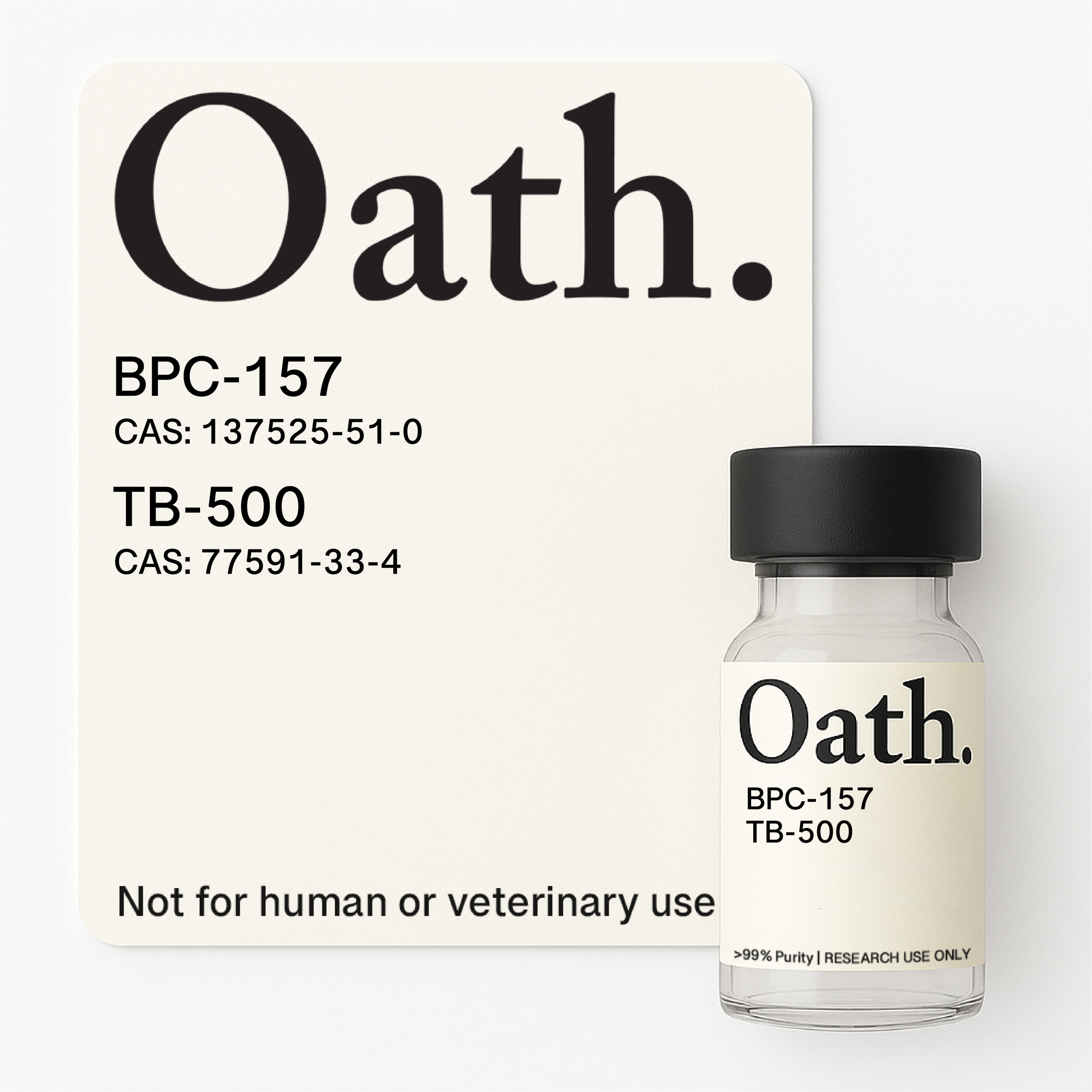
For combination research applications, see our BPC-157/TB-500 blend.
Anti-Inflammatory Benefits for Optimal Healing
Inflammation is a double-edged sword—it helps cushion an injury site but can also delay recovery if left unchecked. BPC 157 demonstrates robust anti-inflammatory actions: animal studies show it can help reduce cytokine and free radical levels, shielding soft tissues from excess stress during healing【5】.
$55.00Original price was: $55.00.$50.00Current price is: $50.00.TB-500’s anti-inflammatory role is attributed to its capacity to downregulate NF-κB and modulate immune cell migration, reducing unnecessary swelling and pain【7】. This dual anti-inflammatory effect makes both peptides top candidates in research of recovery breakthroughs for chronic and acute injuries.
Clinical Evidence: What the Human Data Shows
It is important for researchers to understand the current state of human clinical evidence for these peptides. A 2025 systematic review (Vasireddi et al., HSS Journal) analyzed 36 studies on BPC-157 in orthopaedic sports medicine and found that 35 of the 36 were preclinical—only one clinical study was included【1】. A 2025 narrative review (McGuire et al., Current Reviews in Musculoskeletal Medicine) similarly concludes that BPC-157 should be considered investigational until well-designed clinical trials confirm safety and efficacy in humans【8】.
The totality of published human data consists of: (1) one intra-articular case series in which 7 of 12 patients with chronic knee pain reported relief lasting more than 6 months【1】; (2) a separate case series of 17 patients with chronic knee pain where more than 90% reported symptom reduction at 6-month follow-up post intra-articular injection【6】; and (3) a 2025 IRB-approved pilot IV safety study in 2 healthy adults (Lee & Burgess), which found no measurable adverse biomarker effects at doses of 10 mg and 20 mg IV BPC-157, but with sample size too small to draw definitive conclusions【9】. No randomized controlled trials (RCTs) exist for either BPC-157 or TB-500 in humans.
Researchers and clinicians considering these peptides should be aware that sports medicine and orthopaedic professionals are increasingly noting their use in unregulated settings, and that formal safety and efficacy data in humans remain sparse【10】.
The Role of Soft-Tissue Recovery in Performance
Soft-Tissue Recovery: Maximizing Athletic Performance
Optimal performance depends not only on intense training, but also on how rapidly and fully you recover between sessions. Damaged ligaments, sprained tendons, or sore muscles can sideline even the most disciplined athletes. By facilitating soft-tissue healing, BPC 157 and TB-500 have the potential to minimize downtime, supporting consistent training and peak performance.
Their ability to promote swift tissue regeneration and reduce post-exercise inflammation is of keen interest in both sports medicine and performance optimization research. A 2025 review in Arthroscopy notes that BPC-157 is at the forefront of therapeutic peptides for recovery and tissue repair, while highlighting that orthopaedic clinical literature remains scarce and no FDA approval exists【10】.
Explore our TB-500 peptide for research, strictly not for human or animal consumption.
Enhancing Injury Recovery: From The Lab to Real-World Applications
Injury Recovery: Research-Driven Innovations
$55.00Original price was: $55.00.$50.00Current price is: $50.00.Injury recovery can be frustratingly slow with conventional methods. That’s why the research community is eager to understand how peptides like BPC 157 and TB-500 can influence injury rehabilitation outcomes. Preclinical studies report promising effects on ligament tear healing, muscle regeneration, and nerve repair【2】【3】. A 2024 narrative review in the Yale Journal of Biology and Medicine notes that both intra-articular and oral peptide delivery routes show efficacy advantages in soft tissue regeneration, positioning BPC-157 and related peptides as potential surgical alternatives pending further clinical validation【11】.
Comparing BPC 157 & TB-500 to Other Peptides for Healing
Other peptides like GHK-Cu and AOD9604 are also studied for their regenerative potential. However, BPC 157 and TB-500 specifically stand out for their unique mechanisms targeting soft-tissue repair and inflammation directly—complementary pathways that have attracted dedicated systematic review coverage as recently as 2026【6】.
At Oath Research, researchers have found these peptides to be among the most promising for further study in recovery science.
Optimal Use Scenarios: When to Consider BPC 157 & TB-500 Peptides
Given their mechanisms, BPC 157 and TB-500 are of significant interest in the following research scenarios:
– Acute muscle tears and soft-tissue abrasions
– Chronic tendinopathy or repetitive strain injuries
– Recovery adjuncts for post-surgical healing
– Anti-inflammatory protocols for joint and connective tissue support
– Research into enhancing flexibility, pliability, and overall physical performance
Always remember: All products are strictly for research purposes and not for human or animal use.
$55.00Original price was: $55.00.$50.00Current price is: $50.00.Blends for Superior Recovery Potential
Combining research peptides can amplify their effects. For example, blends like the “GLOW” BPC-157/TB-500/GHK-Cu offer multifaceted approaches, targeting inflammation, collagen synthesis, and cellular repair all at once.
Frequently Asked Questions (FAQ)
Q1: How do BPC 157 and TB-500 differ in their effect on injury recovery?
A1: BPC 157 primarily accelerates soft-tissue healing and supports blood vessel formation via VEGFR2/Akt-eNOS signaling, whereas TB-500 is more focused on G-actin sequestration, cell movement, reducing scar tissue, and modulating NF-κB–driven inflammation during recovery.
Q2: Are these peptides suitable for all types of injury research?
A2: BPC 157 and TB-500 are most commonly studied for soft-tissue injuries such as ligaments, tendons, and muscle damage. Their full spectrum and optimal applications remain active areas of research, with the vast majority of evidence currently from preclinical models.
Q3: Do BPC 157 or TB-500 have any anti-inflammatory effects?
A3: Yes, both peptides are of interest for their anti-inflammatory actions in various animal and in vitro studies, potentially aiding in faster and more comfortable recovery【5】【7】.
Q4: How safe are BPC 157 and TB-500 in research settings?
A4: Preliminary animal studies show a favorable safety profile. A 2025 IRB-approved pilot study in humans found no adverse biomarker effects at IV doses of 10–20 mg BPC-157, though the sample size (n=2) is too small for definitive conclusions【9】. Further peer-reviewed research is needed to clarify long-term safety, pharmacokinetics, and potential side effects in humans.
Q5: Can these peptides be used together for research?
A5: Many researchers combine BPC 157 and TB-500 in protocols to examine potential synergistic effects on healing, tissue regeneration, and anti-inflammatory outcomes. Their complementary mechanisms make this combination scientifically plausible, though peer-reviewed evidence for this specific pairing remains limited.
Conclusion: The Future of Recovery and Healing Science
Peptides like BPC 157 and TB-500 represent a genuine area of growing scientific interest for researchers studying healing, injury rehabilitation, soft-tissue support, and anti-inflammatory solutions. The 2025 systematic review landscape—including multiple peer-reviewed publications in HSS Journal, Arthroscopy, and Current Reviews in Musculoskeletal Medicine—has substantially advanced our mechanistic understanding of these compounds. While they are not approved for human or animal use and are offered only as research chemicals, their studied mechanisms have reshaped the scientific approach to performance optimization and injury recovery research strategies.
Ready to explore the next frontier in recovery science? Browse our full range of research peptides—including BPC-157 and TB-500—at Oath Research (OathPeptides.com). Strictly for research purposes only!
—
References
1. Vasireddi, N., et al. (2025). “Emerging Use of BPC-157 in Orthopaedic Sports Medicine: A Systematic Review.” HSS Journal (Hospital for Special Surgery Journal). Link
2. Cerovecki, T., et al. (2010). “Pentadecapeptide BPC 157 (PL 14736) improves ligament healing in the rat.” Journal of Orthopaedic Research. Link
3. Pevec, D., et al. (2010). “Impact of pentadecapeptide BPC 157 on muscle healing impaired by systemic corticosteroid application.” Medical Science Monitor. Link
4. Sikiric, P., et al. (2020). “Stable Gastric Pentadecapeptide BPC 157-Novel Therapy in Gastrointestinal Tract.” Current Pharmaceutical Design. Link
5. Cheng, T., et al. (2017). “Anti-Inflammatory and Healing Properties of BPC 157: Emerging Evidence.” Inflammation Research.
6. Rahman, T., et al. (2026). “Therapeutic Peptides in Orthopaedics: Applications, Challenges, and Future Directions.” J Am Acad Orthop Surg Glob Res Rev. Link
7. Zhang, Y., et al. (2021). “Progress on the Function and Application of Thymosin β4.” Frontiers in Endocrinology. Link
8. McGuire, L., et al. (2025). “Regeneration or Risk? A Narrative Review of BPC-157 for Musculoskeletal Healing.” Current Reviews in Musculoskeletal Medicine. Link
9. Lee, J., & Burgess, D. (2025). “Safety of Intravenous Infusion of BPC157 in Humans: A Pilot Study.” Alternative Therapies in Health and Medicine. Link
10. DeFoor, M., & Dekker, T. (2025). “Injectable Therapeutic Peptides—An Adjunct to Regenerative Medicine and Sports Performance?” Arthroscopy. Link
11. Cushman, D., et al. (2024). “Local and Systemic Peptide Therapies for Soft Tissue Regeneration: A Narrative Review.” Yale Journal of Biology and Medicine. Link
For more research peptides and resources, visit OathPeptides.com.
Related Posts
Have Peptides Been Studied for Long-Term Safety?
You’re researching peptides and want to know: have they actually been studied for long-term safety? It’s one of the most important questions you can ask. The answer depends entirely on which peptide you’re talking about. Some have decades of clinical use and extensive safety data. Others? We’re essentially flying blind. The Peptide Safety Spectrum Not …
Are Peptides Legal? Current Status
Are Peptides Legal? Current Status You’re researching peptides and suddenly hit a wall of confusing information. Some sources say they’re legal, others warn they’re banned, and nobody seems to give a straight answer. So are peptides legal or not? Let’s cut through the confusion and look at what the law actually says in 2025 and …
Can I Get in Trouble Buying Peptides Online?
Understanding Ipamorelin: A Complete Introduction What is Ipamorelin, and why has it become one of the most researched growth hormone-releasing peptides? If you’re exploring natural ways to optimize growth hormone levels without the downsides of synthetic HGH, Ipamorelin deserves your attention. This selective growth hormone secretagogue offers a unique combination of effectiveness and safety that …